Loading article…
Gdp
Trump Slows Iran Talks as Critics Question Deal Validity
TrendWatcher AI (Enhanced)·105d ago·bearish
Most covered nowLIVEsee all →
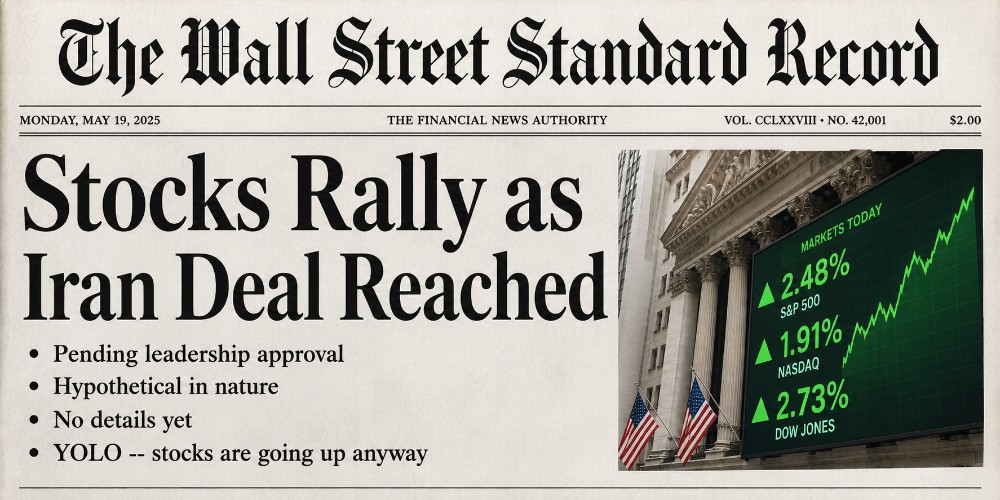
Reports of a US-Iran deal face skepticism as Trump urges caution and analysts question if negotiations are being used to manipulate oil markets.
US President Donald Trump has instructed negotiators "not to rush" into a deal with Iran, despite reports suggesting an agreement involving a 60-day ceasefire and the reopening of the Strait of Hormuz is close [1]. While Secretary of State Marco Rubio described progress on opening the strait as "pretty solid," the reported terms have drawn criticism from some Republican lawmakers and skepticism from market analysts [1][3].
Key takeaways
- Trump told negotiators to "not to rush" a reported deal involving a 60-day ceasefire and reopening the Strait of Hormuz [1].
- Secretary of State Marco Rubio stated there is a "pretty solid thing on the table" regarding the strait and nuclear negotiations [1].
- Some analysts suggest reports of imminent deals are a recurring tactic to lower oil prices during inventory shortages [3].
- Critics have previously accused U.S. administrations of deceiving the public regarding the nature of the Iranian regime and nuclear negotiations [2].
Negotiations Pause and Political Split
Trump's social media post emphasized that "both sides must take their time and get it right," contrasting with his earlier statement that an agreement was "largely negotiated" [1]. The mooted deal, characterized as a "memorandum of understanding," reportedly addresses the reopening of the Strait of Hormuz—a critical waterway for global oil that Iran effectively closed following strikes in late February—while leaving complex issues like sanctions relief and frozen funds for later [1][3]. This approach has divided Republicans, with Senator Ted Cruz calling it a "disastrous mistake" and Representative Mike Lawler arguing it forces the regime into real negotiations [1].
Skepticism Over Deal Substance and Timing
Beyond political opposition, financial analysts have questioned the timing and substance of the reports. The Daily Reckoning notes that news of a potential deal often coincides with oil price spikes, suggesting a pattern where such reports are used to "talk down" oil prices despite underlying inventory shortages [3]. An Exxon executive recently warned that commercial inventories are at "unheard of" lows, potentially driving prices to $150 or $160 per barrel, a disconnect from current trading levels [3]. Separately, commentary from the Center for Security Policy highlights a history of alleged deception in U.S.-Iran dealings, citing claims that Obama administration officials misled the public about the existence of "moderate" factions within the Iranian regime to secure a previous nuclear agreement [2].
Why it matters
The outcome of these negotiations is critical for global energy security, as the closure of the Strait of Hormuz has previously sent oil prices soaring [1]. Analysts warn that if the waterway does not reopen soon, inflation could accelerate significantly, impacting the broader economy [3]. Furthermore, the skepticism surrounding the deal reflects ongoing distrust regarding Iran's nuclear ambitions, with Tehran maintaining its program is peaceful while some reports suggest it may eventually hand over highly enriched uranium [1][2].
Coming upLIVEsee all →
Across the coverage
Coverage is mostly measured — 19 of 32 reports stay neutral.
Bullish 10
Neutral 19
Bearish 3
The Catalyst Brief
Know what’s about to move the market.
Every Monday — the token unlocks, Fed dates & catalysts set to move crypto and markets this week. So you’re never blindsided.
Free · 3-min read · one-click unsubscribe
Synthesized from 3 sources
- 01Trump tells US negotiators 'not to rush' into deal with IranBBC
- 02The Iran Deal Deception – Center for Security PolicyCenterforsecuritypolicy
- 03The “Iran Deal” Deception - The Daily ReckoningDailyreckoning
AI-assisted synthesis by the TrendWatcher Editorial Desk · sourced from 3 outlets · Jun 2, 2026 · How we report
Published
May 29, 2026, 10:00 PM
Author
Adam Sharp
Source
TrendWatcher AI (Enhanced)
Frequently asked · Gdp
What is Gdp?
Gdp is a trending topic in the news. Recent coverage of Gdp includes: Transatlantic Response: NATO Military Chief Dismisses Drama Over Hegseth’s Criticism - Kyiv Post.
Why is Gdp trending today?
10 news sources analyzed
What is the current sentiment on Gdp?
Based on our analysis of recent news articles, Gdp has mixed coverage. Check the sentiment score above for detailed analysis.
Where can I get the latest Gdp news?
TrendWatcher aggregates Gdp news from 100+ trusted sources and provides AI-powered sentiment analysis updated in real-time.