Loading article…
On Chain Analysis
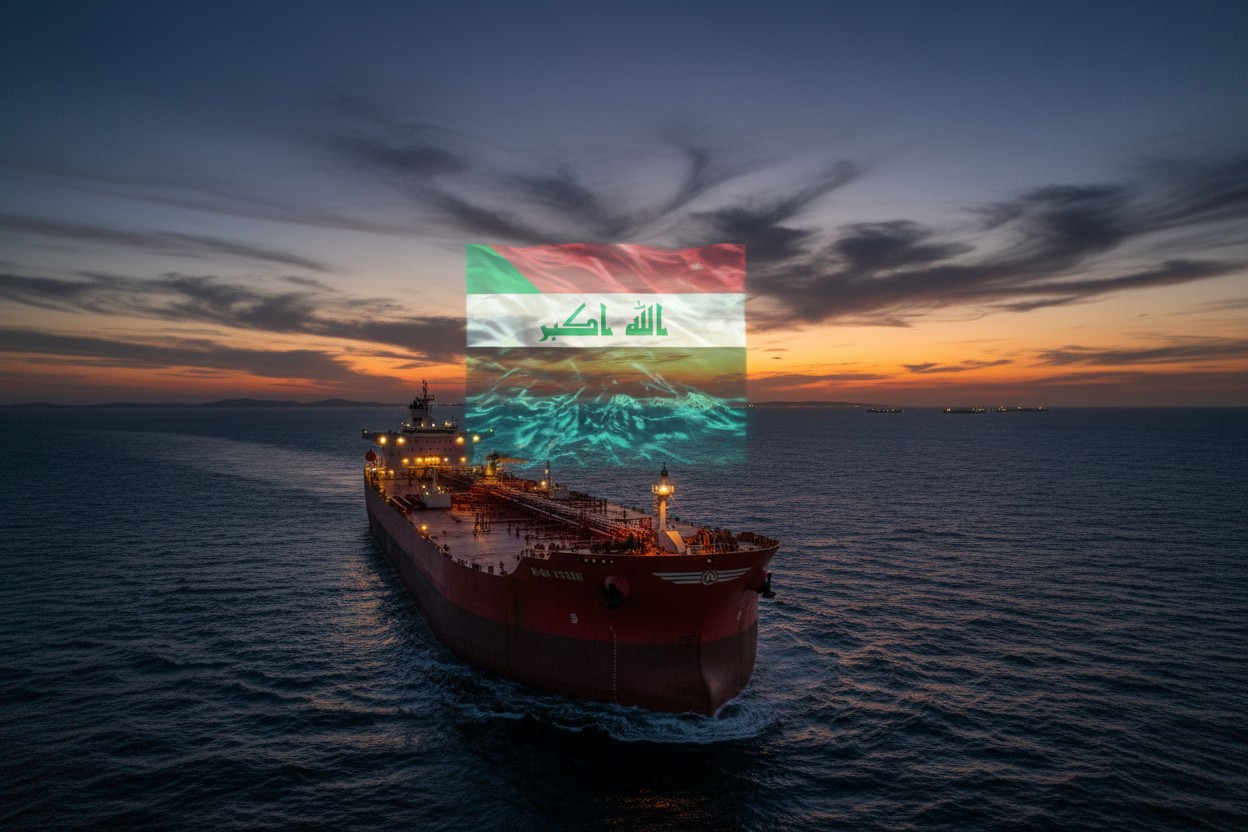
Iran uses fake Iraqi ship IDs to evade U.S. oil blockade
TrendWatcher AI (Enhanced)·137d ago·neutral
Most covered nowLIVEsee all →
Iran’s oil smuggling network forged Iraqi vessel documents to bypass the U.S. blockade, prompting another U.S. Navy boarding of an Iranian‑flagged tanker.
The U.S. Navy boarded the Iranian‑flagged tanker M/T Celestial Sea in the Gulf of Oman on May 22, 2026 after intelligence flagged the vessel for attempting to breach the American blockade on Iranian oil shipments [1]. The boarding follows a pattern of smuggling schemes that disguise Iranian crude as Iraqi cargo, a tactic highlighted by Iraqi officials in March 2025 [2].
| At a glance | |
|---|---|
| Vessel boarded | M/T Celestial Sea (Iranian flag) |
| Date | 22 May 2026 |
| Blockade breach attempt | Suspected heading to Iranian port |
| Smuggling method | Fake Iraqi ship identities, forged documents |
Fake Iraqi identities in the smuggling chain
Iraqi Oil Minister Hayan Abdul Ghani publicly accused Iran in March 2025 of using counterfeit Iraqi shipping documents to move oil past sanctions [2]. The forgeries were uncovered after U.S. forces seized tankers in the Persian Gulf, revealing that Iranian operators were repainting vessels, disabling AIS transponders, and filing false certificates of origin to present the cargo as Iraqi [2]. Such tactics mirror the “ghost fleet” practice where aging tankers fly flags of convenience and regularly change names to avoid detection [2].
U.S. blockade enforcement and broader impact
The Celestial Sea boarding marks at least the fifth commercial vessel intercepted since the Trump administration imposed the blockade in mid‑April [1]. U.S. Central Command reported that 1,550 vessels from 87 countries remain stranded in the Persian Gulf, underscoring the scale of the disruption [1]. While the blockade aims to pressure Tehran into reopening the Strait of Hormuz, the smuggling network’s ability to masquerade Iranian oil as Iraqi cargo complicates enforcement and sustains illicit revenue streams that have kept Iran’s crude exports near 1.4 million barrels per day in 2023 [2].
Economic stakes of the illicit trade
U.S. Energy Information Administration estimates place Iran’s annual oil earnings at $53‑$54 billion for 2022‑2023, with smuggled volumes accounting for a sizable share of that figure [2]. The fake‑document scheme enables Iran to funnel oil to China and other markets while evading sanctions, preserving a revenue stream that would otherwise be curtailed by the blockade. For Iraq, the alleged involvement of Shiite militia‑backed groups in the smuggling network raises geopolitical concerns, as the country’s leadership balances ties to Iran against international pressure [2].
What to watch
- U.S. Navy boardings – any further interceptions of vessels with suspicious documentation could signal escalation of enforcement.
- Sanctions‑related filings – new U.S. Treasury or OFAC designations targeting ship owners or flag states may tighten the net on the ghost fleet.
- Regional diplomatic moves – statements from Iraq’s oil ministry or shifts in militia influence could affect the viability of the fake‑identity scheme.
The persistence of forged Iraqi ship identities highlights a loophole in the U.S. blockade, suggesting that maritime enforcement alone may be insufficient to choke off Iran’s illicit oil revenues without broader regional cooperation.
Coming upLIVEsee all →
Across the coverage
Coverage is mostly measured — 149 of 155 reports stay neutral.
Bullish 3
Neutral 149
Bearish 3
The Catalyst Brief
Know what’s about to move the market.
Every Monday — the token unlocks, Fed dates & catalysts set to move crypto and markets this week. So you’re never blindsided.
Free · 3-min read · one-click unsubscribe
Synthesized from 2 sources
- 01US military boards Iranian-flagged oil tanker suspected of trying to breach blockadeWTOP News
- 02Oil smuggling in Iran - WikipediaWikipedia
AI-assisted synthesis by the TrendWatcher Editorial Desk · sourced from 2 outlets · Jun 17, 2026 · How we report
Published
May 1, 2026, 06:00 AM
Author
Garrison Vance
Source
TrendWatcher AI (Enhanced)
Frequently asked · On Chain Analysis
What is On Chain Analysis used for?
On Chain Analysis is used to study the dynamics of cryptocurrency projects and the behavior of network participants by examining data stored on a public blockchain. It allows users to track ownership distribution, transaction details, and market sentiment through metrics like active addresses and transaction volume.
How does On Chain Analysis identify market cycles?
On Chain Analysis identifies market cycles by tracking the movement of coins between long-term holders and short-term speculators. As of 2026, analysts use metrics like HODL waves and Spent Output Age Bands to observe when older coins are distributed, which often signals changes in macro-market sentiment.
What tools are available for On Chain Analysis?
Platforms such as Nansen, Glassnode, Dune, Token Terminal, and CryptoQuant provide services for On Chain Analysis. These platforms offer various tools including pre-built charts, APIs, and no-code interfaces to help users access and interpret raw blockchain data.