Loading article…
Google
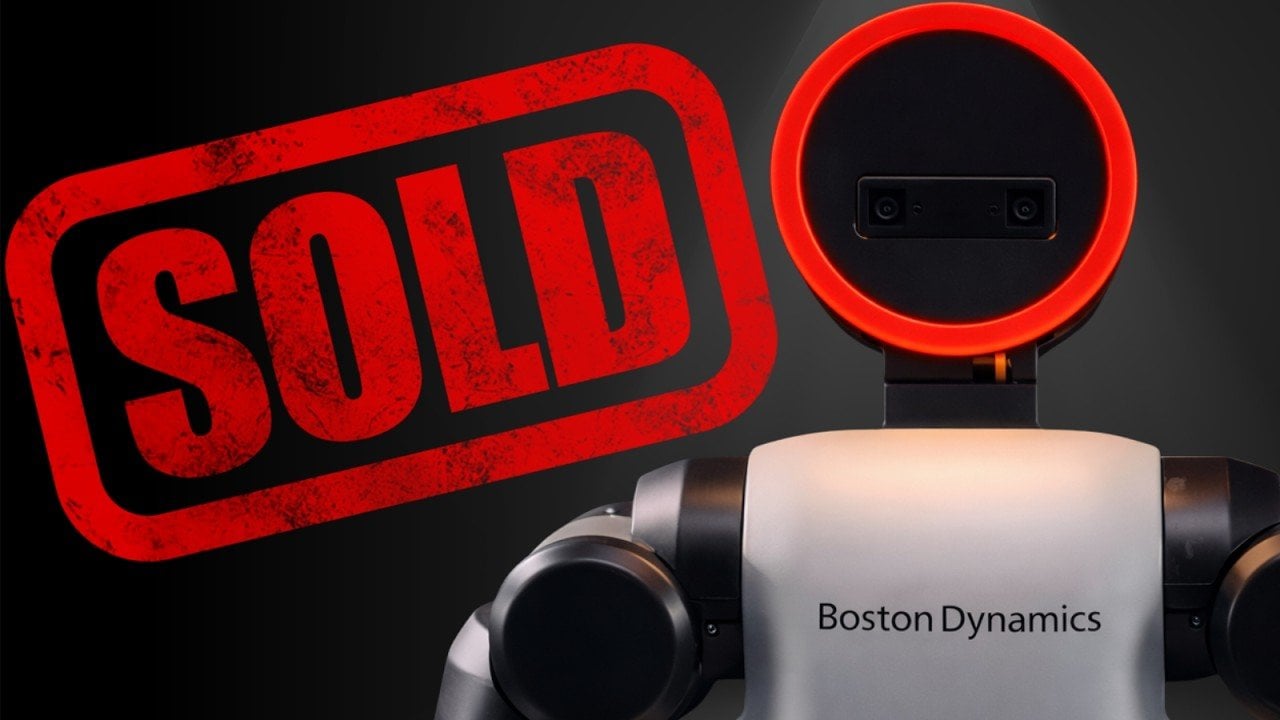
Why Google Sold Boston Dynamics to SoftBank
TrendWatcher AI (Enhanced)·105d ago·neutral
Most covered nowLIVEsee all →
Alphabet sold Boston Dynamics to SoftBank in 2017 to shed a unit disconnected from its core data business, while SoftBank aimed to lead the next robotics
Alphabet Inc. sold Boston Dynamics to SoftBank Group Corp. in 2017, a move that highlighted the diverging strategies of the two technology giants [1]. The deal, which also included Schaft, a maker of walking robots, transferred ownership of the advanced robotics firm to the Japanese conglomerate [1][2]. While the purchase price was not disclosed, the transaction allowed Google to exit a hardware venture that had struggled to align with its primary commercial objectives [1][2].
Key takeaways
- Alphabet sold Boston Dynamics to SoftBank in 2017 to focus on its core data and analytics business [1].
- Reports indicated tensions between Boston Dynamics and Google officials regarding a lack of near-term profit potential [2].
- SoftBank acquired the firm to bolster its robotics expertise and capitalize on the "next stage of the Information Revolution" [1][2].
- The sale included Schaft, though the financial terms of the agreement were not made public [1][2].
A Disconnect from Google’s Core Mission
The decision to sell stemmed from the difficulty Alphabet faced in integrating walking robots into a business model focused on digital information and advertising [1]. Analyst Richard Windsor noted that while the robots could move with ease, it was unclear how they would generate value for Alphabet shareholders [1]. The company is fundamentally a data and analytics firm aiming to categorize user information for marketers, a goal that physical robotics did not directly serve [1]. This sale followed Alphabet’s divestment of its satellite business, Terra Bella, though the company maintained it remained committed to other robotics applications, such as machine learning for motor skills and image processing [1].
Reports from 2016 indicated that Google had sought a buyer for the robotics division because it was unlikely to produce a profit in the near future [2]. At the time, Alphabet CEO Larry Page emphasized the need for projects to generate enough revenue to cover expenses within a few years [2]. Additionally, there were reported "tensions" between Boston Dynamics leadership and Google officials prior to the sale [2].
SoftBank’s Strategic Bet on Robotics
For SoftBank, the acquisition represented an opportunity to deepen its footprint in the robotics sector, which it views as a critical future technology [1]. CEO Masayoshi Son stated that smart robotics would be a key driver of the next stage of the Information Revolution [1][2]. Although SoftBank already owned the Pepper companion robot, analysts suggested the company needed to "beef up" its technical capabilities to become a major player in the space [1]. The deal came as SoftBank continued a spending spree that included the acquisition of UK chip designer ARM [2].
Why it matters
The transaction marked a significant shift in ownership for one of the world's most advanced robotics companies, moving it from a software-focused giant to a telecommunications and investment conglomerate [1][2]. It underscored the challenges large tech firms face in commercializing experimental hardware projects that do not immediately align with their revenue streams [1][2]. Following the sale, Boston Dynamics continued its development of dynamic robots, though it was unclear immediately after the deal whether the unit would sit directly within SoftBank or its massive Vision Fund [1].
Coming upLIVEsee all →
Across the coverage
Coverage is mostly measured — 294 of 300 reports stay neutral.
Bullish 5
Neutral 294
Bearish 1
The Catalyst Brief
Know what’s about to move the market.
Every Monday — the token unlocks, Fed dates & catalysts set to move crypto and markets this week. So you’re never blindsided.
Free · 3-min read · one-click unsubscribe
Synthesized from 3 sources
- 01Why Google wanted to sell — and Softbank wanted to buy ...Latimes
- 02Google sells Boston Dynamics to Softbank four years after ...Wired
- 03Boston Dynamics - WikipediaWikipedia
AI-assisted synthesis by the TrendWatcher Editorial Desk · sourced from 3 outlets · Jun 1, 2026 · How we report
Published
May 30, 2026, 06:00 AM
Author
Julian Horsey
Source
TrendWatcher AI (Enhanced)
Frequently asked · Google
When was Google founded?
Google was founded in 1998 by Larry Page and Sergey Brin. The company began as a research project at Stanford University in 1996.
Who is the CEO of Google?
Sundar Pichai has served as the CEO of Google since 2015. He also assumed the role of CEO of Alphabet Inc. in 2019.
What is the parent company of Google?
Alphabet Inc. is the parent company of Google. Google was reorganized as a wholly owned subsidiary of Alphabet Inc. in 2015.
How does Google make money?
Google generates the majority of its revenue through data-driven advertising auctions. The company also offers a wide range of services including cloud computing, hardware, and software products.