Loading article…
Nft Market
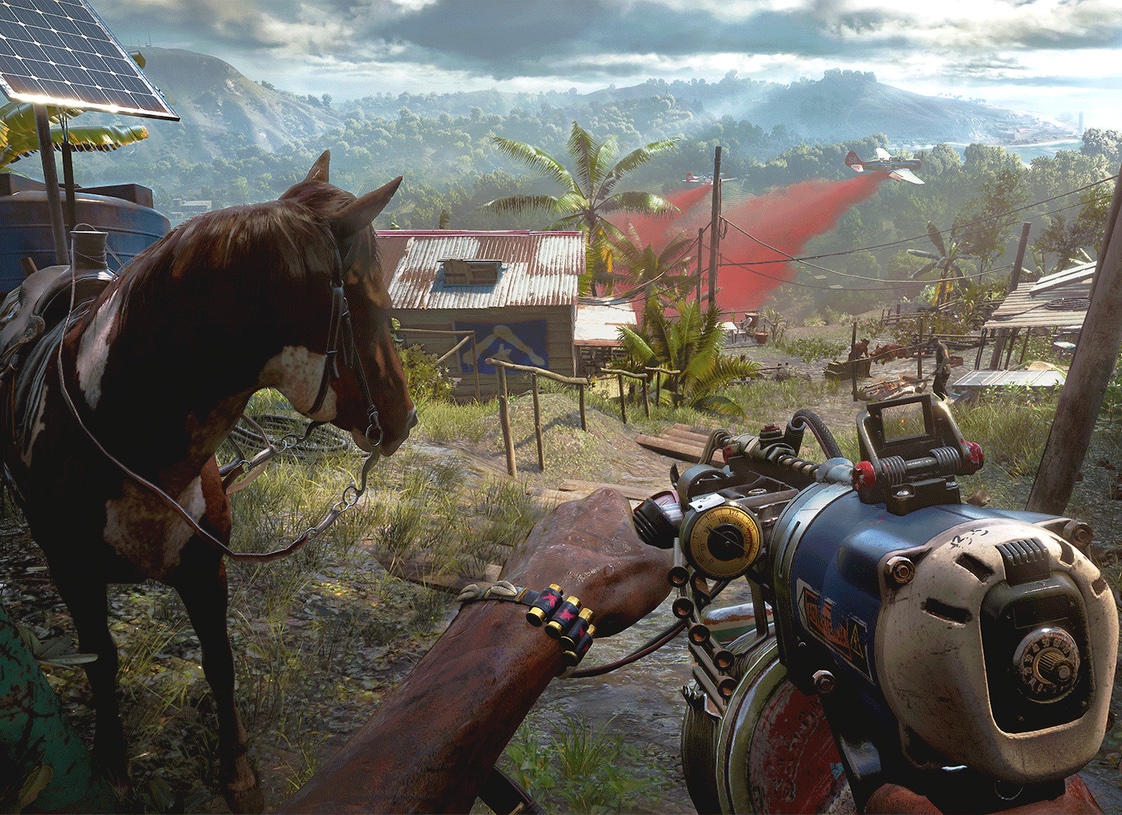
Ubisoft reportedly testing generative AI in Far Cry 7
Notebookcheck.net·19d ago·bearish
Most covered nowLIVEsee all →
As Ubisoft weathers a catastrophic €1.3 billion operating loss, the gaming giant is making a high-stakes gamble on generative artificial intelligence. Using the unannounced Far Cry 7 as a testing ground, the company is experimenting with dynamic, conversation…
Ubisoft is pushing ahead with aggressive investments in generative AI, even as the gaming giant faces its worst financial year in history. According to a recent report, the company is using an early … [+2546 chars]
Coming upLIVEsee all →
Across the coverage
Coverage is mostly measured — 11 of 18 reports stay neutral.
Bullish 2
Neutral 11
Bearish 5
The Catalyst Brief
Know what’s about to move the market.
Every Monday — the token unlocks, Fed dates & catalysts set to move crypto and markets this week. So you’re never blindsided.
Free · 3-min read · one-click unsubscribe
Published
May 25, 2026, 03:35 PM
Author
Antony Muchiri
Source
Notebookcheck.net
Frequently asked · Nft Market
What is an open edition NFT?
An open edition is an NFT with no limit on the number of copies that can be minted, provided the minting occurs within a specific time frame set by the creator.
Why has the competition between NFT marketplaces increased?
Competition has risen as platforms like Blur gain market share by offering lower royalty fees, forcing established marketplaces like OpenSea to adjust their strategies.
Are creator royalties mandatory for all NFTs?
There is no industry-wide mandate; while some companies like Animoca Brands advocate for royalties through licensing conditions, other marketplaces like Blur have implemented nominal royalty structures to capture market share.