Loading article…
Artificial Intelligence
AI and the Future of Work in Ireland
TrendWatcher AI (Enhanced)·105d ago·bullish
Most covered nowLIVEsee all →
Ireland’s labour market faces uncertainty as AI adoption impacts entry-level roles, while tech sector redundancies spark debate over the cause of job losses.
Recent announcements regarding the future of work have sparked concern across Ireland, as the country’s technology-reliant economy grapples with the rapid integration of artificial intelligence [1]. While some industry leaders suggest AI could eventually eliminate the need for certain roles, current data indicates that the impact is already being felt by new graduates and workers in the tech sector [1].
Key takeaways
- Nearly half of Irish employers have reduced the number of entry and graduate-level roles available this year [1].
- Ireland has lost approximately 20,000 information and communication technology jobs over the past 12 months [1].
- The Department of Finance and the IMF have identified Ireland’s jobs market as being among the most exposed globally to AI disruption [1].
- Employment for workers aged 15-29 in sectors considered at high risk to AI has fallen by 4.3% since 2023 [1].
The impact on entry-level roles and tech employment
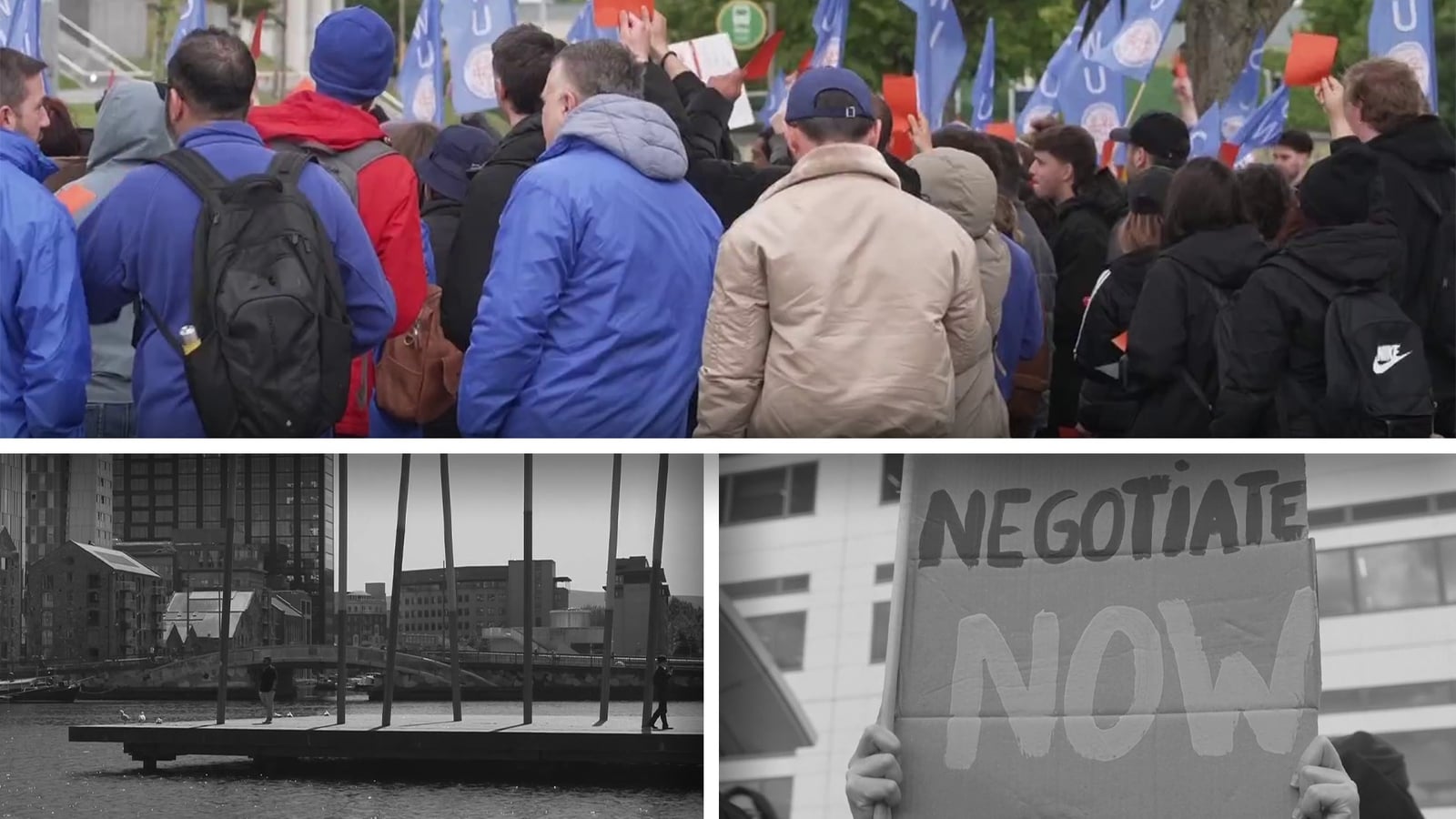
The rise of AI has created a challenging environment for the Class of 2026, with many graduates reporting difficulty securing their first professional roles [1]. Some students and union representatives suggest that entry-level positions in fields like pharmaceuticals and human resources are being replaced by automated systems [1]. While tech CEOs have made bold claims about the potential for AI to wipe out up to 50% of entry-level jobs in sectors like finance and law within five years, there is disagreement over whether AI is the primary driver of current redundancies [1].
The Irish tech sector experienced rapid growth during the pandemic, with ICT employment peaking at nearly 190,000 workers 18 months ago [1]. Some analysts suspect that recent layoffs at major firms, including Meta and Oracle, may be a correction of over-hiring rather than a direct result of AI implementation [1]. However, for workers like those at the Dublin-based contractor Covalen, the transition is tangible; some employees report that they were tasked with training AI models that now appear to be replacing their own content moderation roles [1].
Navigating a shifting labour landscape
Despite the uncertainty, some experts argue that the Irish labour market remains resilient, with overall unemployment holding at approximately 5% [1]. HR consultant Mary Connaughton suggests that the future of work will be less linear, requiring graduates to be more adaptable and capable of managing complex tasks earlier in their careers [1]. To navigate this, the government is currently refreshing the National AI and Digital Strategy to better identify skill gaps and support young workers [1].
Meanwhile, the broader tech infrastructure in Ireland is also undergoing a transformation. Following a 2021 moratorium on new datacentre builds due to grid capacity concerns, authorities have introduced new rules requiring large energy users to generate their own power and contribute to grid stability [2]. This shift has encouraged the development of microgrids, which allow facilities to operate independently of the main grid, marking a significant change in how the country manages the physical infrastructure required to support the digital economy [2].
Why it matters
The convergence of AI-driven labour shifts and infrastructure constraints highlights the dual challenges facing Ireland’s economic model. While the government aims to remain competitive by fostering agility in the workforce, the immediate reality for many young professionals is a more difficult entry into the job market [1]. As the country moves forward, the ability to balance technological advancement with sustainable employment and energy practices will likely determine the long-term stability of its tech-heavy economy [1, 2].
Coming upLIVEsee all →
Across the coverage
Coverage is mostly measured — 22 of 30 reports stay neutral.
Bullish 6
Neutral 22
Bearish 2
The Catalyst Brief
Know what’s about to move the market.
Every Monday — the token unlocks, Fed dates & catalysts set to move crypto and markets this week. So you’re never blindsided.
Free · 3-min read · one-click unsubscribe
Synthesized from 2 sources
- 01Canaries in the coal mine? How AI could reshape work in IrelandRTÉ Ireland
- 02No power, no datacentres: How microgrids are reshaping theComputing
AI-assisted synthesis by the TrendWatcher Editorial Desk · sourced from 2 outlets · Jun 1, 2026 · How we report
Published
May 30, 2026, 05:01 AM
Author
Louise Byrne
Source
TrendWatcher AI (Enhanced)
Frequently asked · Artificial Intelligence
What is Artificial Intelligence?
Artificial Intelligence is a trending topic in the news. Recent coverage of Artificial Intelligence includes: As students protest artificial intelligence, Pitt professor cautions: ‘We cannot delay the AI adoption’ - Pittsburgh Post-Gazette.
Why is Artificial Intelligence trending today?
20 news sources analyzed
What is the current sentiment on Artificial Intelligence?
Based on our analysis of recent news articles, Artificial Intelligence has mixed coverage. Check the sentiment score above for detailed analysis.
Where can I get the latest Artificial Intelligence news?
TrendWatcher aggregates Artificial Intelligence news from 100+ trusted sources and provides AI-powered sentiment analysis updated in real-time.