Loading article…
Google
AT&T Sues California Over Legacy Copper Phone Network Rules
TrendWatcher AI (Enhanced)·59d ago·neutral
Most covered nowLIVEsee all →
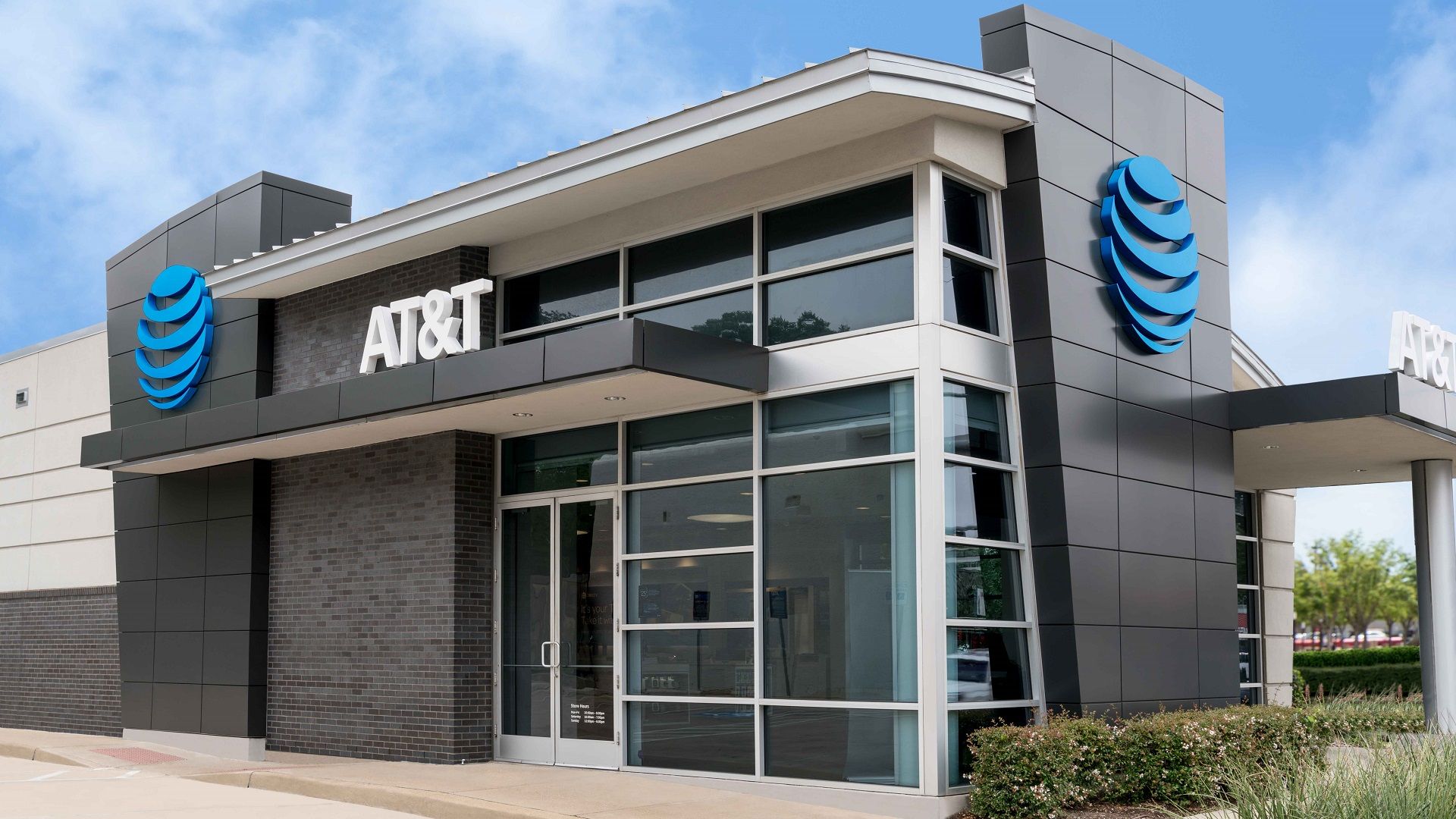
AT&T has filed a lawsuit against California, seeking to end state mandates that require the company to maintain aging copper landline infrastructure.
AT&T has initiated legal action against the state of California, challenging regulations that require the company to continue providing traditional landline phone service as a Carrier of Last Resort (COLR) [1]. The telecommunications provider filed the lawsuit in the U.S. District Court for the Southern District of California, naming the California Public Utilities Commission (CPUC) and the state attorney general as defendants [1].
Key takeaways
- AT&T claims it spends $1 billion annually to maintain a copper network that serves only 3% of households in its California territory [2].
- The company is seeking federal intervention to discontinue service for approximately 199,000 customers in the state [3].
- California is the only state among the 21 where AT&T operates that still enforces these specific legacy service obligations [2].
- AT&T argues that copper infrastructure is increasingly prone to theft and energy inefficiency, while state officials maintain that the company is permitted to upgrade to modern technologies [1, 2].
The conflict over network modernization
The legal dispute follows a June 2024 decision by the CPUC to reject AT&T’s request to eliminate its COLR obligations [2]. Under these rules, the company is mandated to provide landline service to any potential customer within its designated territory [3]. AT&T contends that these state-sanctioned regulations are superseded by federal law and hinder its ability to modernize its network [1]. The company has stated that it has already secured relief from similar requirements in 20 other states, leaving California as the sole remaining regulatory roadblock to phasing out its copper-based services [2].
AT&T argues that the aging copper infrastructure is not only costly but also unreliable, noting that it has experienced roughly 2,000 outages this year due to copper theft [2]. Beyond financial and security concerns, the company claims that transitioning away from copper would provide ecological benefits, potentially saving 300 million kilowatt-hours annually by 2030 [1]. While AT&T aims to move customers toward IP-based or wireless services, it has clarified that it does not intend to replace all copper installations with fiber-optic technology, preferring a "wireless first" approach in certain areas [1].
Why it matters
The outcome of this case could set a significant precedent for how legacy telecommunications infrastructure is managed as consumers shift toward mobile and broadband alternatives [1]. While AT&T emphasizes the obsolescence of copper, the state of California has expressed concerns regarding the reliability of alternative services, particularly for rural or marginalized communities that may rely on landlines during power outages or emergencies [1]. As the case moves forward, the court will weigh the company's desire to reduce maintenance costs against the state's interest in ensuring consistent, technology-neutral communication access for all residents [1].
Coming upLIVEsee all →
Across the coverage
Coverage is mostly measured — 228 of 239 reports stay neutral.
Bullish 7
Neutral 228
Bearish 4
The Catalyst Brief
Know what’s about to move the market.
Every Monday — the token unlocks, Fed dates & catalysts set to move crypto and markets this week. So you’re never blindsided.
Free · 3-min read · one-click unsubscribe
Synthesized from 3 sources
- 01AT&T gets into a legal spat with California over legacy phone...
- 02AT&T sues California in attempt to shut off old phone network
- 03AT&T Sues California Over Legacy Phone Network Shutdown: FCC...
AI-assisted synthesis by the TrendWatcher Editorial Desk · sourced from 3 outlets · Jun 2, 2026 · How we report
Published
May 30, 2026, 12:05 AM
Author
Rahimnoorali11@gmail.com (Rahim Amir) , Rahim Amir
Source
TrendWatcher AI (Enhanced)
Frequently asked · Google
What percentage more are existing Google cloud customers spending beyond their commitments?
They are spending roughly 50% more than their committed spend, according to Google cloud chief Thomas Kurian.
How much did Alphabet’s cloud business grow year‑on‑year in Q2?
The cloud business grew 82% year‑on‑year in the second quarter.
Why is Google planning to use third‑party providers for cloud capacity?
To meet strong demand and bring customers in while its own capacity catches up, even though it may reduce margins temporarily.
What is Alphabet’s updated capital spending forecast for 2026?
Alphabet now expects to spend between $195 billion and $205 billion in 2026.
How did the market react to the increased capital spending forecast?
Alphabet’s shares fell more than 7% after the forecast was announced.