Loading article…
Bitcoin
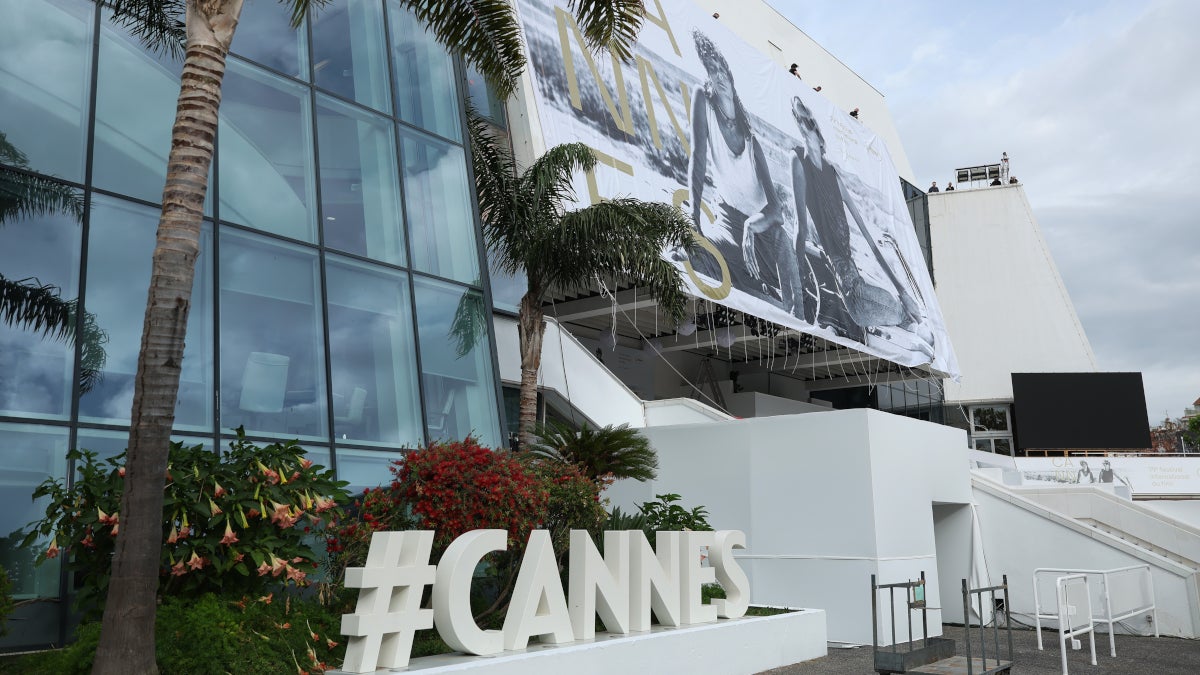
AI Film Presence at Cannes Sparks Industry Debate
TrendWatcher AI (Enhanced)·121d ago·neutral
Most covered nowLIVEsee all →
AI-generated films are appearing at the Cannes Marché du Film, fueling a debate over technological legitimacy versus marketing hype in the cinema industry.
The Cannes Film Festival has become a flashpoint for the integration of artificial intelligence in cinema, as Chinese studios and independent tech firms use the event to showcase AI-generated content. While Chinese producers are openly presenting AI-animated films like The Reunion Journey and documentaries such as Legends of the South as part of a broader industry strategy, other projects have faced scrutiny for blurring the lines between official festival selection and third-party industry showcases [1].
The tension reached a peak this week when reports surfaced claiming a fully AI-generated movie, Hell Grind, was debuting at the festival. Cannes organizers clarified that the film was not part of the official program, but was instead presented at a local theater during an industry event organized by third parties [2]. The confusion highlights a growing trend where companies utilize the Marché du Film—a business-focused component of the Cannes ecosystem—to gain visibility. Unlike the festival’s official selection, the Marché du Film has no formal curation process and allows any film to be screened for a fee [2].
For the Chinese film industry, the focus on AI is a deliberate push toward economic and creative expansion. China Night, a gala event held on May 14, serves as a platform to promote the country’s growing AI film sector, which industry watchers estimate could reach a 100-billion-yuan market within five years [1]. Tina Jia, chairperson of China Night, argues that AI tools empower independent creators and small teams by lowering production costs and improving efficiency [1]. State media reports suggest the AI-animated drama market reached $2.8 billion by the end of 2025, with the entire AI-generated micro drama industry projected to hit $16.5 billion by the end of this year [1].
The industry remains divided on the implications of these tools. Panels at the China Film+ initiative have begun addressing the "creative sovereignty" of filmmakers, debating who holds authorship when AI intervenes in the storytelling process [1]. Meanwhile, critics warn that the hype surrounding AI-generated features often relies on misleading marketing tactics, such as conflating paid screenings at local venues with the prestige of an official festival premiere [2].
As AI-generated content moves from technical experiments to feature-length projects, the industry is struggling to distinguish between genuine creative innovation and the "spurious" marketing tactics used to capture attention. The question remains whether these tools will fundamentally transform the economics of filmmaking or if the current wave of AI-driven content is primarily a vehicle for industry buzz.
Coming upLIVEsee all →
Across the coverage
Coverage is mostly measured — 286 of 300 reports stay neutral.
Bullish 5
Neutral 286
Bearish 9
The Catalyst Brief
Know what’s about to move the market.
Every Monday — the token unlocks, Fed dates & catalysts set to move crypto and markets this week. So you’re never blindsided.
Free · 3-min read · one-click unsubscribe
Synthesized from 2 sources
- 01China Lands in Cannes With Robots, AI Films and a Very Clear MessageThe Hollywood Reporter
- 02Cannes Film Festival Says the Wall Street Journal Is Wrong: It’s Not Debuting an AI-Generated Feature Film This WeekFuturism
AI-assisted synthesis by the TrendWatcher Editorial Desk · sourced from 2 outlets · Jun 15, 2026 · How we report
Published
May 17, 2026, 08:39 PM
Author
Sharon Waxman
Source
TrendWatcher AI (Enhanced)
Frequently asked · Bitcoin
What is the current status of the CLARITY Act regarding Bitcoin?
The CLARITY Act is scheduled for a Senate cloture vote at 2:15 p.m. ET on 15 September 2026. The legislation, which includes provisions for non-decentralized DeFi protocols, requires 60 votes to advance past the debate stage.
Why did Bitcoin open interest fall recently?
Bitcoin open interest dropped by 13.5% as of 15 September 2026 because traders proactively cut leverage to manage risks associated with the upcoming CLARITY Act vote and Federal Reserve rate decision. This reduction in derivatives exposure occurred before the events took place rather than as a result of forced liquidations.
Is Bitcoin expected to rise or fall after the Federal Reserve decision?
Market analysts are divided on the immediate price direction for Bitcoin, with some technical indicators flagging a negative outlook if the price breaks below $76,500. While the long-term weekly trend remains constructive, the market is currently structured to absorb the outcome of the Federal Reserve decision rather than predict a specific price movement.
How has the price of Bitcoin performed over the last month?
Bitcoin is up 22.2% over the 30-day period leading up to 15 September 2026. This performance follows a rally that saw the price move from approximately $63,000 to $81,700 during August.