Loading article…
Crypto Scam
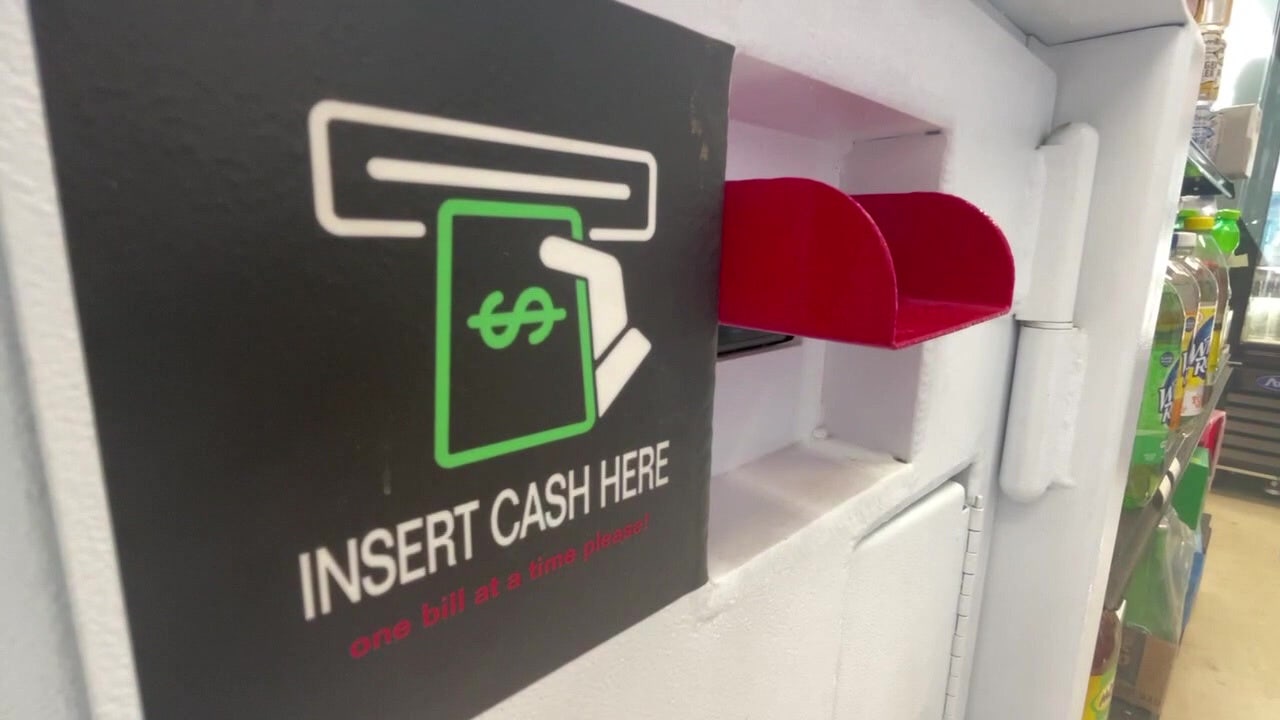
Minnesota to Ban Cryptocurrency Kiosks Statewide
TrendWatcher AI (Enhanced)·91d ago·neutral
Most covered nowLIVEsee all →
Minnesota will ban all cryptocurrency kiosks on August 1, 2025, to combat rising fraud, while simultaneously allowing banks to offer regulated custody.
Minnesota is set to ban all cryptocurrency kiosks across the state, with the prohibition taking effect on August 1, 2025 [3]. Governor Tim Walz signed the bipartisan legislation into law on May 5, following concerns from law enforcement and regulators regarding the use of these machines in financial scams [3].
Key takeaways
- The statewide ban on cryptocurrency kiosks becomes effective August 1, 2025, with operators required to remove all machines by December 31 [3].
- Minnesota is home to approximately 350 licensed cryptocurrency kiosks operated by eight different companies [2].
- The Department of Commerce reported that state residents lost nearly $1 million to kiosk-related scams over the past three years [3].
- A separate new law allows state-chartered banks and credit unions to offer regulated digital asset custody services starting August 1 [4].
Addressing the Rise in Kiosk-Related Fraud
Lawmakers and law enforcement officials pushed for the ban after identifying the kiosks as a primary tool for scammers targeting vulnerable populations, particularly seniors [2]. According to the Minnesota Department of Commerce, roughly half of the estimated $1 million lost by state residents to kiosk scams occurred in 2025 alone [3]. Nationally, the FBI reported nearly 11,000 complaints involving cryptocurrency kiosks in 2024, with losses exceeding $240 million [2].
Proponents of the ban, including Representative Erin Koegel, argued that the anonymity provided by these machines makes it nearly impossible to trace or recover funds once they are converted into cryptocurrency [2]. While some operators, such as CoinFlip, suggested that the industry should focus on increased regulation rather than a total ban, the legislature moved forward with the prohibition [3]. Prior to the state-level action, cities like St. Paul and Stillwater had attempted to implement their own local bans, which led to legal challenges from kiosk operators like Bitcoin Depot [3].
A Shift Toward Regulated Custody
While the state is removing public access to cryptocurrency kiosks, it is simultaneously creating a new framework for digital asset management within the traditional financial sector. Governor Walz signed legislation that permits state-chartered banks and credit unions to provide crypto custody services, such as the safekeeping of cryptographic private keys [4].
This law, which also takes effect August 1, requires financial institutions to separate customer digital assets from their own holdings and submit detailed cybersecurity and risk management plans to the Minnesota Commissioner of Commerce [4]. Supporters, including the Minnesota Credit Union Network, suggest this move provides a "safer way to manage crypto" under regulatory oversight, contrasting the new, authorized banking services with the unregulated nature of the kiosks being removed from the state [4].
Coming upLIVEsee all →
Across the coverage
Coverage is mostly measured — 133 of 135 reports stay neutral.
Bullish 1
Neutral 133
Bearish 1
The Catalyst Brief
Know what’s about to move the market.
Every Monday — the token unlocks, Fed dates & catalysts set to move crypto and markets this week. So you’re never blindsided.
Free · 3-min read · one-click unsubscribe
Synthesized from 4 sources
- 01Ban on cryptocurrency kiosks passes in Minnesota House and SenateKARE 11
- 02Bill to ban cryptocurrency ATMs passes in Minnesota HouseCBS News
- 03Minnesota to ban crypto ATMs over scam concernsinforum
- 04Minnesotan banks and credit unions set to provide crypto custody Aug. 1CoinDesk
AI-assisted synthesis by the TrendWatcher Editorial Desk · sourced from 4 outlets · Jun 1, 2026 · How we report
Published
Apr 28, 2026, 12:00 AM
Source
TrendWatcher AI (Enhanced)
Frequently asked · Crypto Scam
How did the fake police scam operate?
The perpetrators called victims, claimed their cryptocurrency was at risk, and instructed them to transfer funds to accounts that appeared to be police‑run, but were controlled by the scammers.
What amount of the stolen cryptocurrency was recovered?
Approximately £1 million of the stolen crypto was recovered by police, a fraction of the total £4 million taken.
What trend is observed in crypto‑related physical coercion cases in France?
Reported incidents rose to 77 in the first half of 2026, compared with 45 for the entire previous year, indicating a significant increase.
What measures have French authorities taken in response?
They launched a prevention platform and rapid‑alert system for crypto holders and professionals, leading to around 200 arrests.
What security recommendations does CertiK make to mitigate coercion risks?
CertiK advises using multisignature or multiparty computation setups, withdrawal delays, spending limits, and geographically separated signers.