Loading article…
Bitcoin
Sphere 3D shareholders approve merger with Cathedra Bitcoin, closing
TrendWatcher AI (Enhanced)·113d ago·neutral
Most covered nowLIVEsee all →
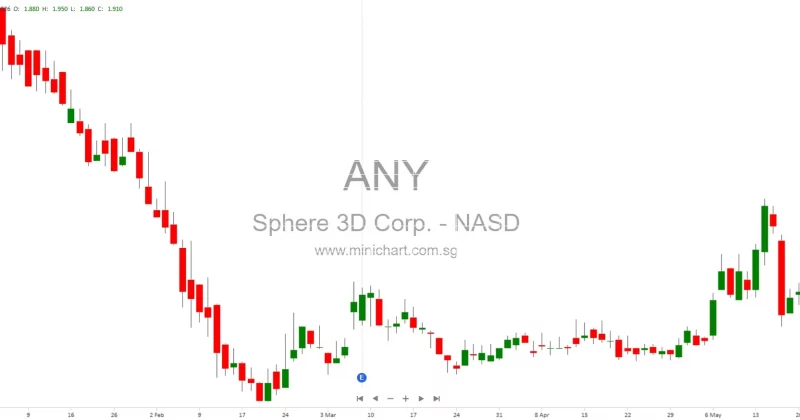
Sphere 3D (NASDAQ: ANY) shareholders voted to seal an all‑stock merger with Cathedra Bitcoin, creating a 53 MW, 1.2 EH/s platform slated to close June 1.
Sphere 3D’s shareholders gave the green light to its merger with Cathedra Bitcoin at a special meeting on May 15, clearing the final corporate hurdle before the deal closes on June 1, 2026. The all‑stock transaction, first announced on March 5, will leave Cathedra shareholders with roughly 49% of the combined company on a partially diluted basis, while Sphere retains its NASDAQ listing and corporate identity [1].
The combined entity will control 53 megawatts of power across five data‑center sites in Iowa, Kentucky and Tennessee, delivering more than 1.2 exahash per second of Bitcoin mining capacity. Management plans to use the geographic diversity to keep mining operations running while gradually converting capacity to high‑density AI and high‑performance computing workloads, a pivot already hinted at by a new hosting agreement that occupies about 80% of Cathedra’s 15 MW Shire site in Kentucky [1]. The merger also gives Sphere access to Cathedra’s established power infrastructure and site‑development expertise, while Cathedra gains a public‑market parent with broader capital‑raising options [1].
Beyond the technical assets, the deal reshapes the balance sheet. The combined firm will operate debt‑free with an unencumbered asset base, enhancing financial flexibility for future upgrades or site acquisitions, according to the company’s filing [2]. However, the 49% equity stake for Cathedra shareholders translates into notable dilution for existing Sphere holders, a point analysts flag as a risk amid the company’s ongoing revenue decline and cash burn [2][3].
Investors should watch two near‑term catalysts: the speed at which additional AI‑hosting contracts materialize beyond the Shire site, and any concrete timelines for retrofitting the power‑ready facilities. Both will determine whether the 53 MW platform can generate higher revenue per megawatt than pure Bitcoin mining, a shift that could improve the company’s cash flow outlook. The merger’s success hinges on executing that transition while managing dilution and the broader market’s appetite for crypto‑linked infrastructure.
Coming upLIVEsee all →
Across the coverage
Coverage is mostly measured — 286 of 300 reports stay neutral.
Bullish 5
Neutral 286
Bearish 9
The Catalyst Brief
Know what’s about to move the market.
Every Monday — the token unlocks, Fed dates & catalysts set to move crypto and markets this week. So you’re never blindsided.
Free · 3-min read · one-click unsubscribe
Synthesized from 4 sources
- 01Sphere 3D shareholders approve merger with Cathedra Bitcoin, closing June 1Crypto Briefing
- 02Sphere 3D Shareholders Approve Cathedra Bitcoin Merger Plans - The Globe and MailTheglobeandmail
- 03Sphere 3D Completes Cathedra Bitcoin Acquisition and RestructuringThe Globe and Mail
- 04Sphere 3D and Cathedra Bitcoin Announce Closing of Business CombinationNewsfilecorp
AI-assisted synthesis by the TrendWatcher Editorial Desk · sourced from 4 outlets · Jun 14, 2026 · How we report
Published
May 21, 2026, 05:01 PM
Author
Editorial Team
Source
TrendWatcher AI (Enhanced)
Frequently asked · Bitcoin
Why did Binance Bitcoin reserves hit a two-year high in 2026?
Binance Bitcoin reserves rose due to a 15,000 BTC acquisition by the SAFU fund and a migration of assets from self-custody devices to exchange wallets following a ColdCard security incident. As of early September 2026, these factors contributed to a total balance exceeding 693,000 BTC.
Does a rise in Bitcoin exchange reserves mean the price will drop?
A rise in Bitcoin exchange reserves does not necessarily indicate a price drop, as exchange balances failed to provide a reliable signal for price movements throughout the summer of 2026. Data suggests that transfers to exchanges can be driven by security concerns or institutional fund allocations rather than immediate selling pressure.
How does Bitcoin ETF demand compare to other assets?
Bitcoin ETF demand remains significantly higher than that of other assets, with Bitcoin ETFs pulling in $986.9 million in the week ending September 4, 2026. In contrast, XRP ETFs recorded only $18.96 million in net inflows during the same period.